
No products in the cart.: R0,00
The Thrill of Uncertainty
The allure of gambling often lies in the unpredictable nature of the outcomes involved. This uncertainty evokes a sense of excitement and anticipation, akin to riding a roller coaster. Psychologically, humans are attracted to risk because it can trigger the release of dopamine, a neurotransmitter associated with pleasure and reward. The element of surprise keeps players engaged, leading them to revisit gaming experiences in hopes of a favorable outcome and exploring various options like uk casino sister sites for new thrills. Each spin of a wheel or roll of dice carries the promise of potential victory, which can be intoxicating.
Additionally, the unpredictability of gambling mirrors everyday life, where not all outcomes can be controlled or anticipated. This parallel can create a unique thrill for individuals who enjoy testing their luck against the odds. The excitement of potentially winning can overshadow the reality of losses, making the experience more compelling. It becomes a balancing act between risk and reward, where the stakes often amplify the enjoyment. For many, the prospect of winning a significant amount can transform a mundane day into a thrilling adventure, igniting a spark of hope.
Moreover, the psychological phenomenon known as variable reinforcement comes into play, which occurs when rewards are given at unpredictable intervals. This can lead to compulsive behavior as players chase after wins, creating a cycle of play that may extend beyond rational control. Understanding this psychological aspect is crucial to comprehend why individuals are drawn to gambling, despite knowing the risks involved. As players experience intermittent rewards, they may feel compelled to continue playing in anticipation of the next big win, reinforcing the cycle of gambling behavior.
The Social Aspect of Gambling
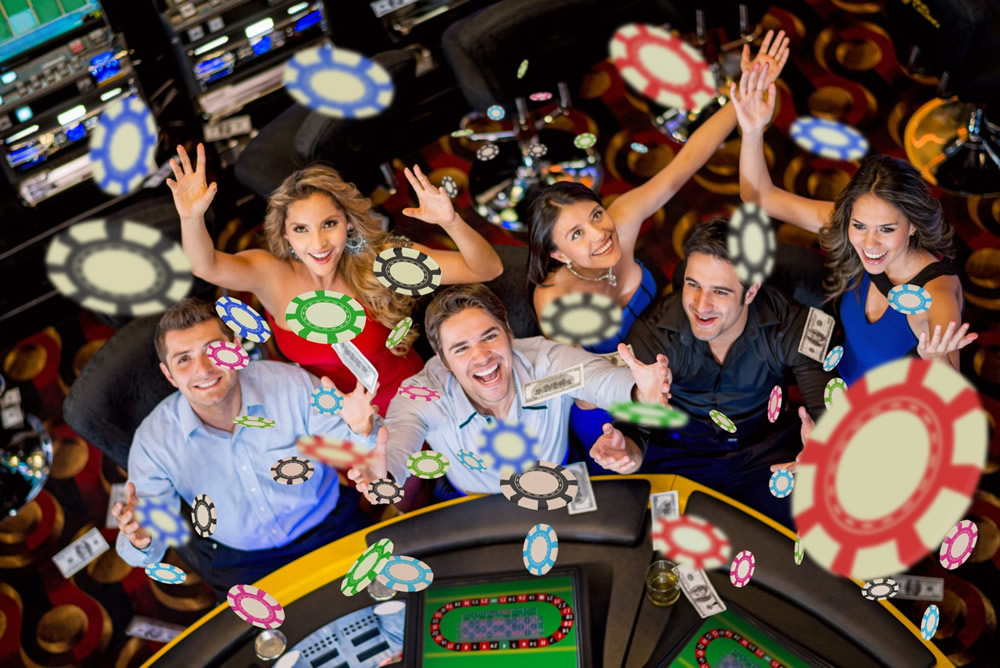
Gambling is often a communal activity, promoting social interaction and connection among participants. This social element can enhance the overall experience, as sharing wins and losses with friends or fellow players can create a sense of camaraderie. Many people find joy in visiting venues where they can collectively engage in games or betting, which adds another layer to the psychological appeal of gambling. The shared experience of gambling can cultivate friendships and forge bonds that extend beyond the gaming table.
Additionally, social environments provide an instant atmosphere of excitement and competition, which can elevate the emotional highs and lows of gambling. The presence of other players can intensify the thrill of the game, enhancing feelings of exhilaration when luck is on their side. As individuals share their experiences, they create a narrative that strengthens bonds and fosters community, making gambling more than just a solitary pursuit. The laughter, cheers, and collective enjoyment contribute to a vibrant atmosphere that enhances the overall thrill of the experience.

In essence, the social dynamics at play in gambling can fulfill psychological needs for connection and belonging. Having companions during gaming endeavors allows players to experience joy, empathy, and understanding in both victories and defeats. The shared uncertainty, laughter, and collective sighs can transform an individual’s gambling experience into a memorable social event, further entrenching them in the game. This communal aspect not only enhances enjoyment but can also provide a support network for individuals navigating the ups and downs of gambling.
Escapism and Coping Mechanisms
Many individuals turn to gambling as a form of escapism, seeking to escape from stress or mundane aspects of daily life. The thrill of betting and the euphoria of winning can provide temporary relief from emotional distress. Gambling offers a distraction from life’s challenges, allowing people to immerse themselves in an alternate reality where they are in control of their outcomes, even if only for a moment. This escape can be especially appealing to those feeling overwhelmed by life’s pressures, as it provides a temporary sanctuary from their worries.
This type of escapism can be particularly appealing to those facing significant life pressures or traumas. For some, gambling becomes a coping mechanism—a way to deal with anxiety, depression, or feelings of inadequacy. When the gambling activity results in a positive outcome, it temporarily boosts self-esteem and offers a respite from negative feelings, creating a cycle where individuals feel compelled to return. The transient joy of winning can serve as a psychological balm for deeper emotional wounds, further entrenching individuals in gambling behavior.
However, the underlying psychological trigger for this behavior can lead to problematic gambling habits. As individuals continue to rely on gambling as a source of escapism, they may find themselves further entrenched in the cycle of risk and reward. Understanding the psychological motivations for using gambling as a coping tool is critical for addressing issues related to gambling addiction and fostering healthier outlets for emotional release. Recognizing the need for balance and seeking alternative coping strategies can help mitigate the risks associated with this form of escapism.
The Cognitive Biases in Gambling
Cognitive biases play a significant role in the way individuals perceive their gambling experiences. One common bias is the illusion of control, where players believe they can influence or predict outcomes through skill or strategy, even in games of pure chance. This misguided belief can lead to overconfidence, prompting individuals to continue gambling in the hopes of achieving success, despite the inherent unpredictability of the games. For instance, players may believe that their betting patterns or strategies can change the odds in their favor, which is rarely the case.
Another prevalent bias is the gambler’s fallacy, which occurs when individuals believe that past events will influence future outcomes in random games. For instance, if a player has observed a series of losses, they may become convinced that a win is “due.” Such thinking can create a false sense of security and encourage prolonged gambling behavior, leading to significant losses as they chase after an anticipated win. This pattern illustrates how cognitive distortions can cloud judgment and lead to irrational decision-making in gambling scenarios.
These cognitive biases underline the importance of understanding human psychology in the context of gambling. Recognizing these patterns can help individuals make informed decisions and potentially mitigate the risks associated with gambling behavior. By fostering awareness around cognitive distortions, players can develop healthier approaches to gaming and reduce the likelihood of falling into destructive gambling habits. Education and self-awareness are key components in overcoming the pitfalls associated with cognitive biases in gambling.
Responsible Gambling and Awareness
As the fascination with gambling continues to grow, raising awareness about responsible gambling practices has become essential. Understanding the psychological aspects surrounding gambling can empower individuals to make informed choices and set appropriate limits. Responsible gambling isn’t just about minimizing losses; it’s about fostering a healthy relationship with risk and entertainment. This approach encourages players to view gambling as a form of amusement rather than a means of financial gain, allowing them to engage in the activity without developing harmful habits.
Education on the psychological triggers that lead to risky gambling behavior is vital for both players and operators within the industry. Many organizations and resources aim to provide support and strategies to help individuals recognize when their gambling habits may be becoming problematic. Engaging with these resources can facilitate healthier practices, ensuring that gambling remains a source of enjoyment rather than distress. By promoting awareness and education, we can cultivate a culture of responsible gambling that prioritizes safety and well-being.
In conclusion, the intersection of psychology and gambling is complex and multifaceted. By exploring the motivations behind gambling behavior—from the thrill of uncertainty to social connections and cognitive biases—individuals can gain a deeper understanding of their relationship with gambling. Promoting awareness about responsible gambling is crucial in navigating this engaging yet potentially risky pastime, ultimately fostering a balanced approach to entertainment in gaming. A proactive stance on education and responsibility can pave the way for a healthier gambling environment for everyone involved.